Heliostat
Tracks the sun, knows its own drive position and health, and says so when it cannot hold its aim.
 Cybarete
 The thesis argues for systems made of small programs that decide locally and keep running when the network does not. These are the places we have built that, and the one we are building next.
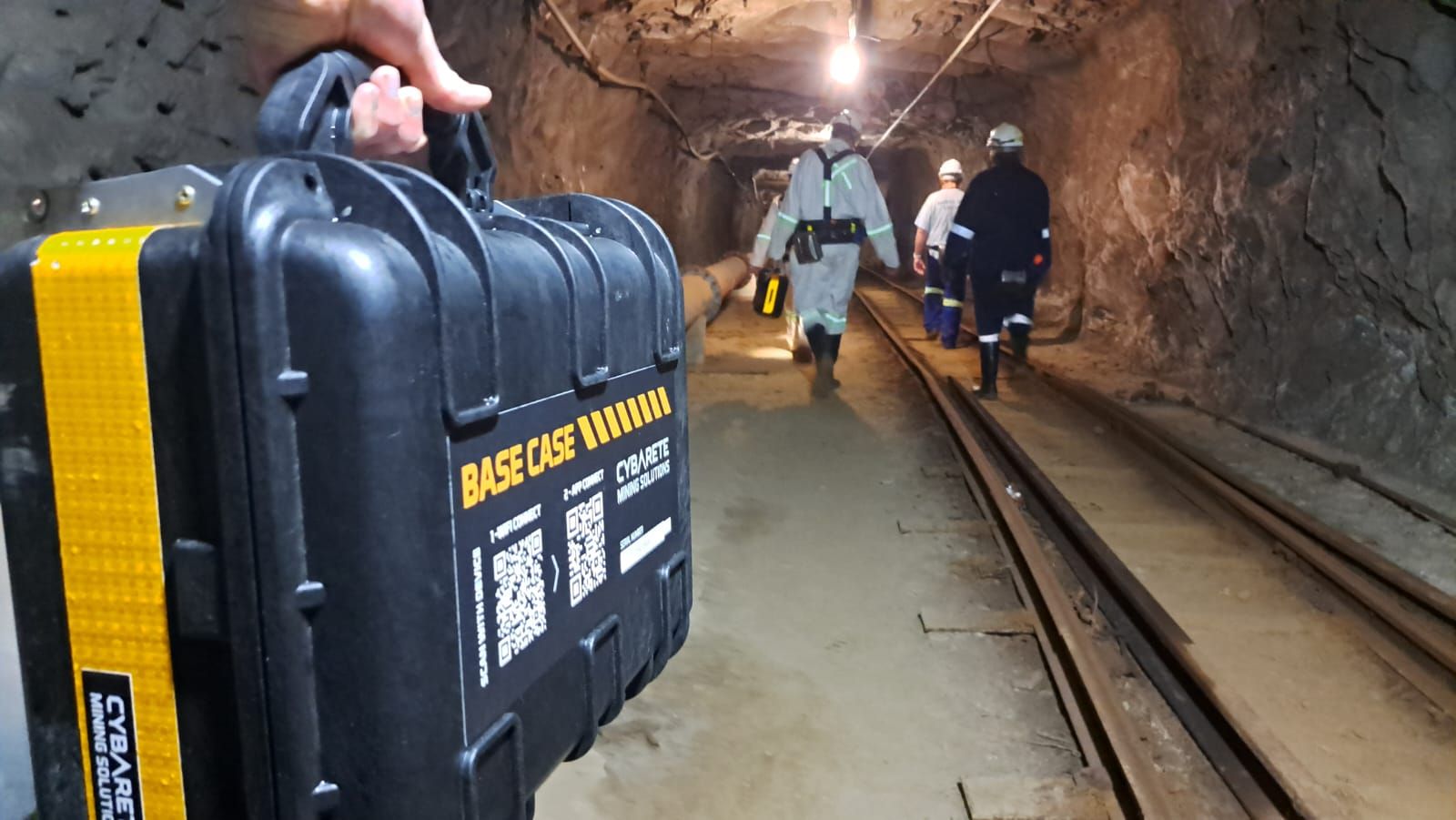
Underground, the network is the first thing to go. The BASE Case was built for the level where there is none.
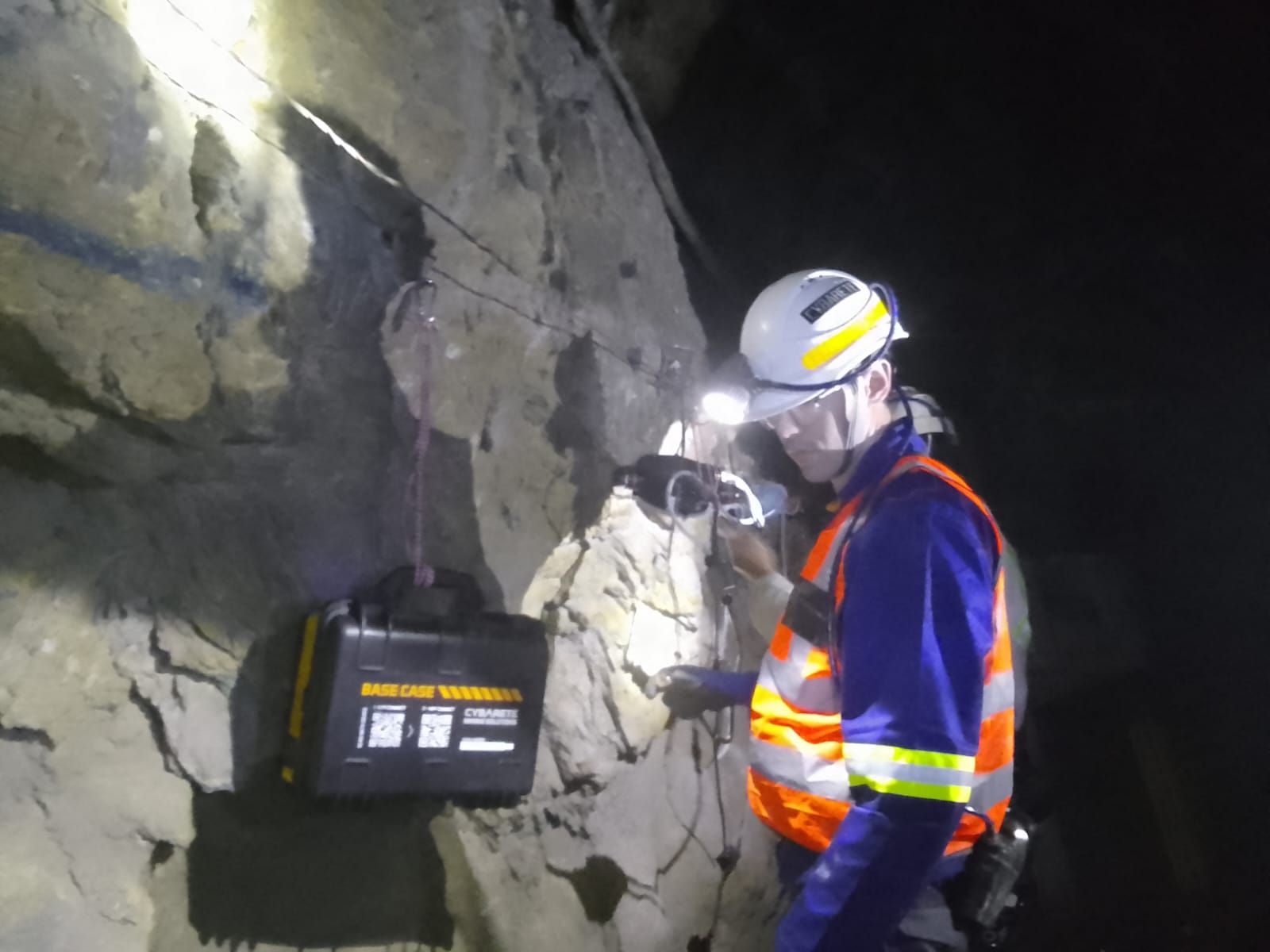
The BASE Case is a sealed, carry-in edge computing unit. A crew hangs it on the sidewall at a stope and it becomes that stope's local brain. Sensors report to it, BASE agents on board judge stope status and ambient conditions, and supervisors see the result in ZoneView, the MineZone HMI, from a phone or tablet that joins the case's own local network by scanning the code on its lid. Nothing on that loop needs the surface.
When the uplink comes back, the case forwards what it recorded, in order, with the original timestamps. When it does not come back, the stope keeps its alerts, its history, and its audit trail regardless.
This is where BASE learned what "keep running when the network drops" costs in practice: agents that checkpoint to disk, resume from known state after a power cut, and never report a reading they did not take.
We realised we had the perfect digitisation and integration platform for this harsh environment, with nothing suitable to run it on. So we built it ourselves.
A heliostat field is thousands of mirrors that must all hold one point on a tower, all day, while the sun moves and clouds pass. In a research field, those mirrors were also built years apart, and no two batches run quite the same firmware.
The mirrors were manufactured at different times, with different firmware, from whatever drives and controllers were available that year. Each one has to hold its own calibration value. Every research project that improved the field left its changes somewhere in that firmware.
Students running experiments paid for that history. Before testing an idea, they had to read firmware they did not write, rewrite it, fix the bugs they found along the way, and revert it all when they were done. None of that was their research.
Helio BASE wraps every mirror in a BASE agent that owns its calibration and knows its hardware. Improvements arrive as behaviours: written once, hot-loaded onto a mirror, a cluster, or the whole field, and unloaded when the experiment ends. Projects stack on top of each other instead of overwriting each other. Underneath, the agent keeps hard gates no behaviour can override, so an experiment cannot drive a mirror past its limits or put flux where it should not go.
Tracks the sun, knows its own drive position and health, and says so when it cannot hold its aim.
Four neighbouring mirrors. When one drive sticks, the other three re-aim to cover it, and the field never hears about it.
Holds the flux target on the receiver and splits it across clusters, not across thousands of individual mirrors.
The weather station warns of cloud. The collector tower asks for flux within its thermal limits. Storage tells the tower how much heat it can take.
A stuck drive stays inside its cluster. A passing cloud is a conversation between the weather station and the field. Nothing waits on a central controller to notice, which is Simon's near-decomposability built into a solar plant.
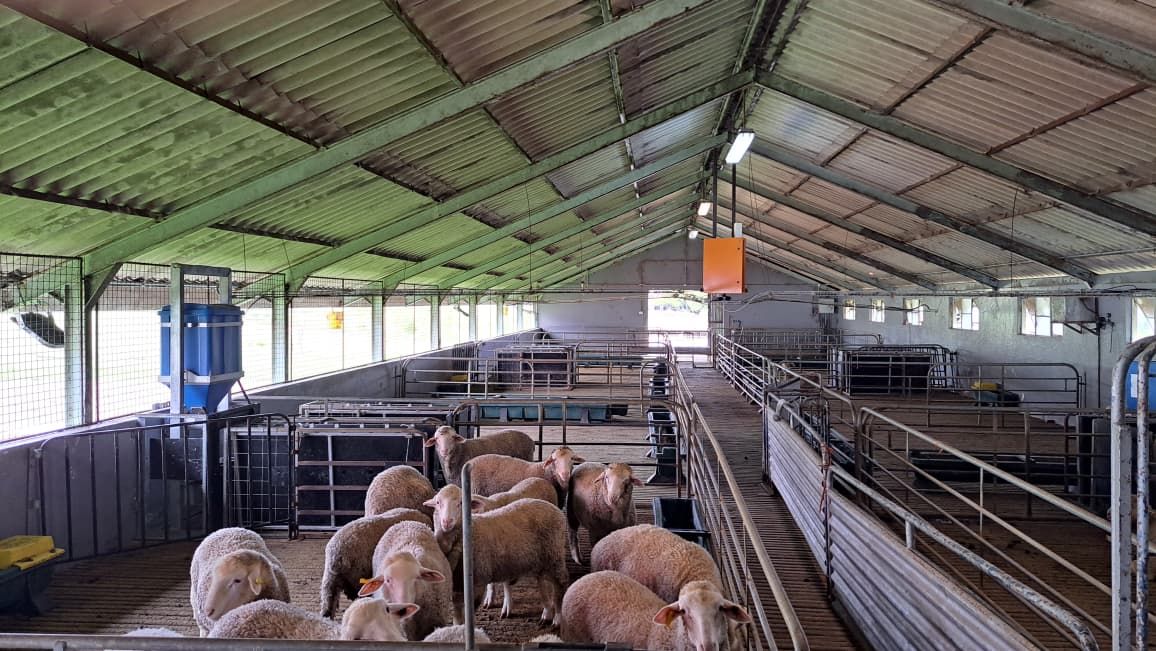
Sheep Kit runs BASE in the shed. Each pen is an agent that tracks the feed going in and the weight coming out, and projects gain forward from both. When a pen drifts off its curve, the feed supervisor hears about it on the next round, not in the monthly report.
We are building a fleet management system on BASE for [redacted]. Every vehicle is a holon, and so is every [redacted]. Work is not dispatched from a control room. It is negotiated between [redacted] and [redacted], and settles on time and fuel. The first [redacted] vehicles are [redacted].
More when we are allowed to say more.
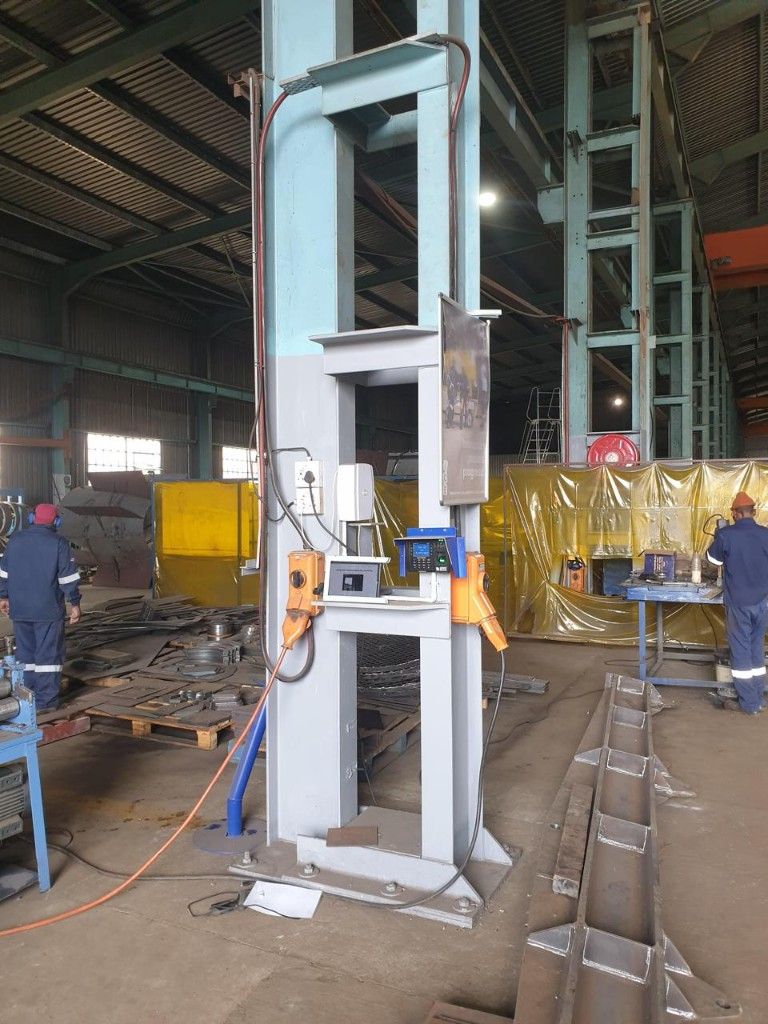
Job shops kept finding out a job had overrun weeks after it closed. CrewPulse tracks labour hours, attendance, and job costs on the floor, so supervisors see the overrun before shift handover. It runs as its own company, and its AI components run on BASE.
Visit crew-pulse.com ↗We take on a small number of case study partners. If your operation runs where the network does not always reach, tell us what it looks like.