

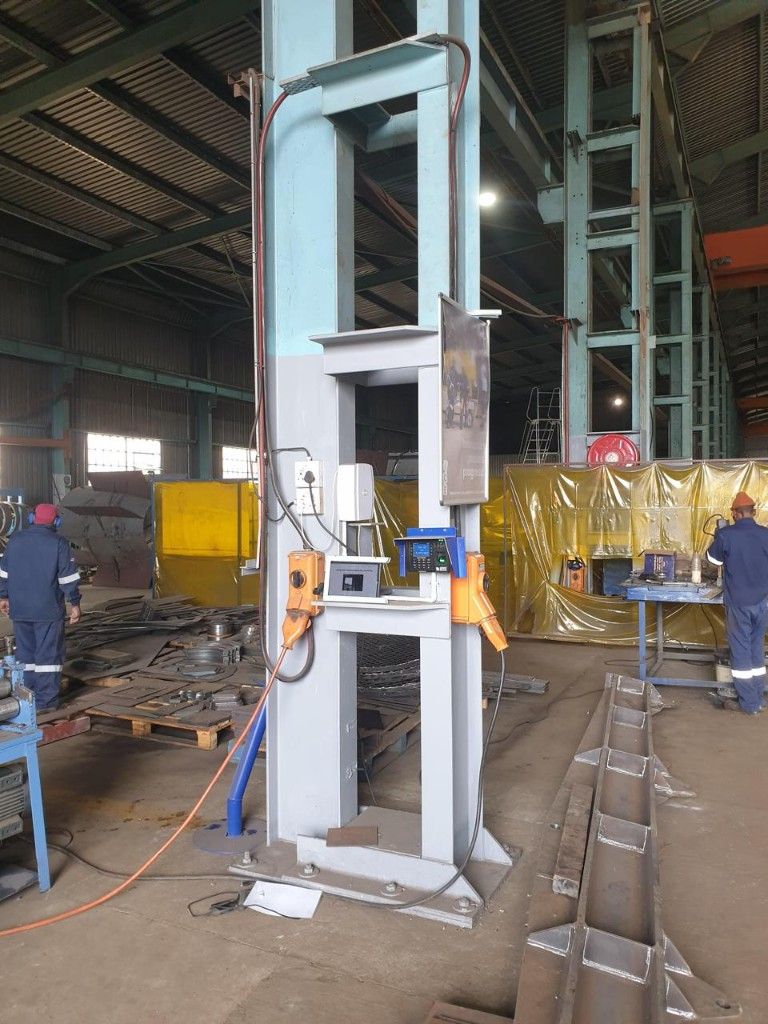
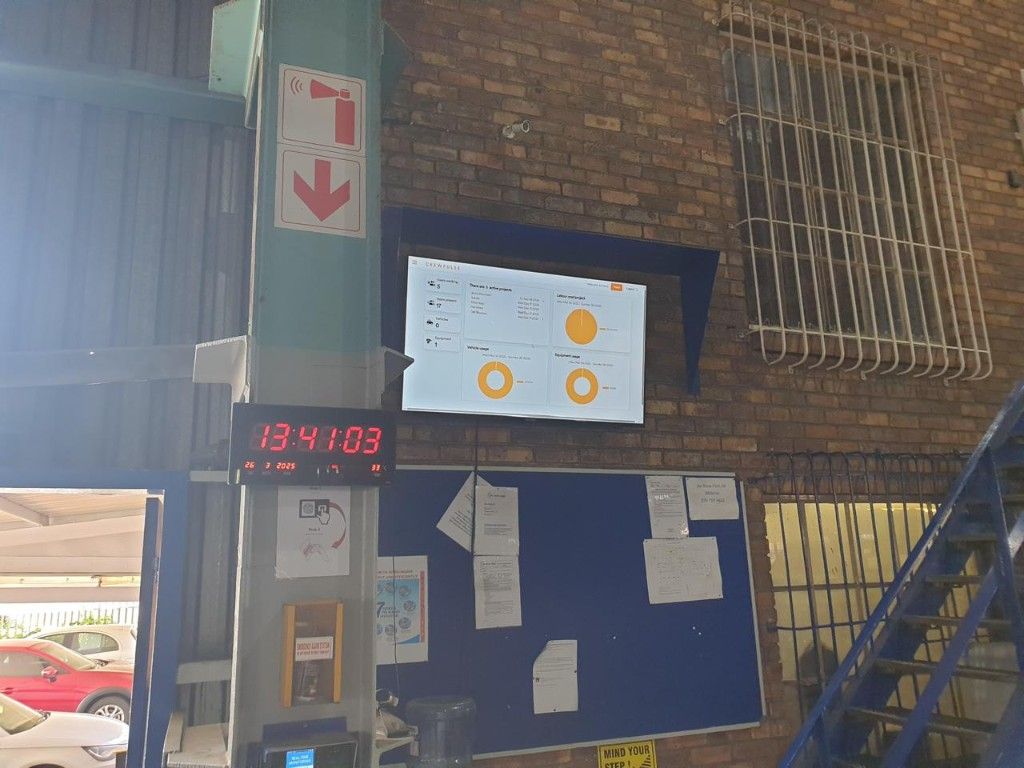
A supervisor on a busy shift needs to know who is on the floor, which jobs are running over, and whether overtime is stacking up before handover. When that data lives in spreadsheets or arrives weeks later, corrections come too late to matter.
What this solution delivers
CrewPulse is a workforce management system designed to make labour, time, and cost data operationally useful. It supports shop-floor and in-field operations for manufacturers and service teams.
Outcomes you can expect
- Faster visibility into labour hours and attendance trends
- Better cost control through earlier detection of project variance
- Clearer utilisation and capacity signals for planning and staffing
- Less manual reconciliation and fewer spreadsheet-driven errors
What gets tracked and analysed
CrewPulse is typically used to support:
- Labour hour capture aligned to your shop-floor or field reality
- Attendance management and exception handling
- Project and job cost tracking with clear variance signals
- Resource analytics that highlight bottlenecks and recurring inefficiencies
Implementation approach
Rollout usually starts simple and adds depth as teams use it daily:
- Start with core capture: get reliable time and attendance flow
- Add cost structure: projects, jobs, cost centres, and reporting
- Operationalise insights: dashboards and recurring review routines
- Improve continuously: refine signals and workflows with real usage data
Typical deliverables
- Configuration aligned to your operational structure and reporting needs
- Workforce and project tracking workflows
- Dashboards for supervisors, operations, and finance-aligned views
- Data export and integration patterns where needed
- Onboarding and adoption plan for teams across shifts
Common questions
Is this only for large manufacturers?
No. CrewPulse is most valuable when teams need clarity and consistency, whether you run a single facility or scale across multiple sites.
How does this connect to the BASE Platform?
CrewPulse can operate as a standalone product and also fits into the broader BASE approach when workforce signals need to inform automation workflows and decision loops.